


Toronto’s architectural history is a diverse tapestry that reflects its growth and evolution over the years. The city has seen a variety of architectural styles emerge, influenced by different periods, cultural shifts, and urban development. Understanding these architectural styles is crucial for homebuyers as it can impact not only the aesthetics of the properties but also their historical significance, maintenance requirements, and, consequently, their market value.
Here’s what Toronto home buyers need to know about architectural styles in Toronto homes.
Victorian Architecture
Overview:
Common throughout the 19th century, Victorian architecture in Toronto is less a singular style and more a richly layered collection of influences. Many homes combine Italianate elements — tall, narrow windows, bracketed cornices, and classical proportions — with the more expressive qualities of Gothic Revival, including pointed arches and strong vertical emphasis.
At the more exuberant end of the spectrum, Queen Anne Victorians emerge, with turrets, wraparound porches, varied materials, and an asymmetry that feels deliberate rather than chaotic. These homes don’t simply occupy a lot… they tend to command it.
Toward the end of the Victorian era, a subtle shift begins. Ornamentation becomes more restrained, interiors open up, and the architecture starts to favour livability over display. This transition leads directly into the Edwardian period.
In Toronto, some of the finest examples can be found in neighbourhoods like Cabbagetown and The Annex, where homeowners have carefully balanced preservation with thoughtful modern updates.
Impact on the Housing Market:
Victorian homes remain highly desirable, particularly when their original character — stained glass, intricate millwork, generous ceiling heights — is intact. In neighbourhoods where there is a collective respect for the architectural fabric, values tend to be notably higher.
That said, these homes often require a level of stewardship. Buyers are typically drawn not just to the property, but to the responsibility, and opportunity, of maintaining something with genuine architectural presence.
Are you interested in the intersection between charming home features and modern luxury? Read these posts next:
- Sustainability in Real Estate: How to Curate Your Life and Minimize Your Environmental Footprint
- Lasting Quality in Toronto Homes: Features to Look For
- The Flavour of Luxury in Today’s Homes
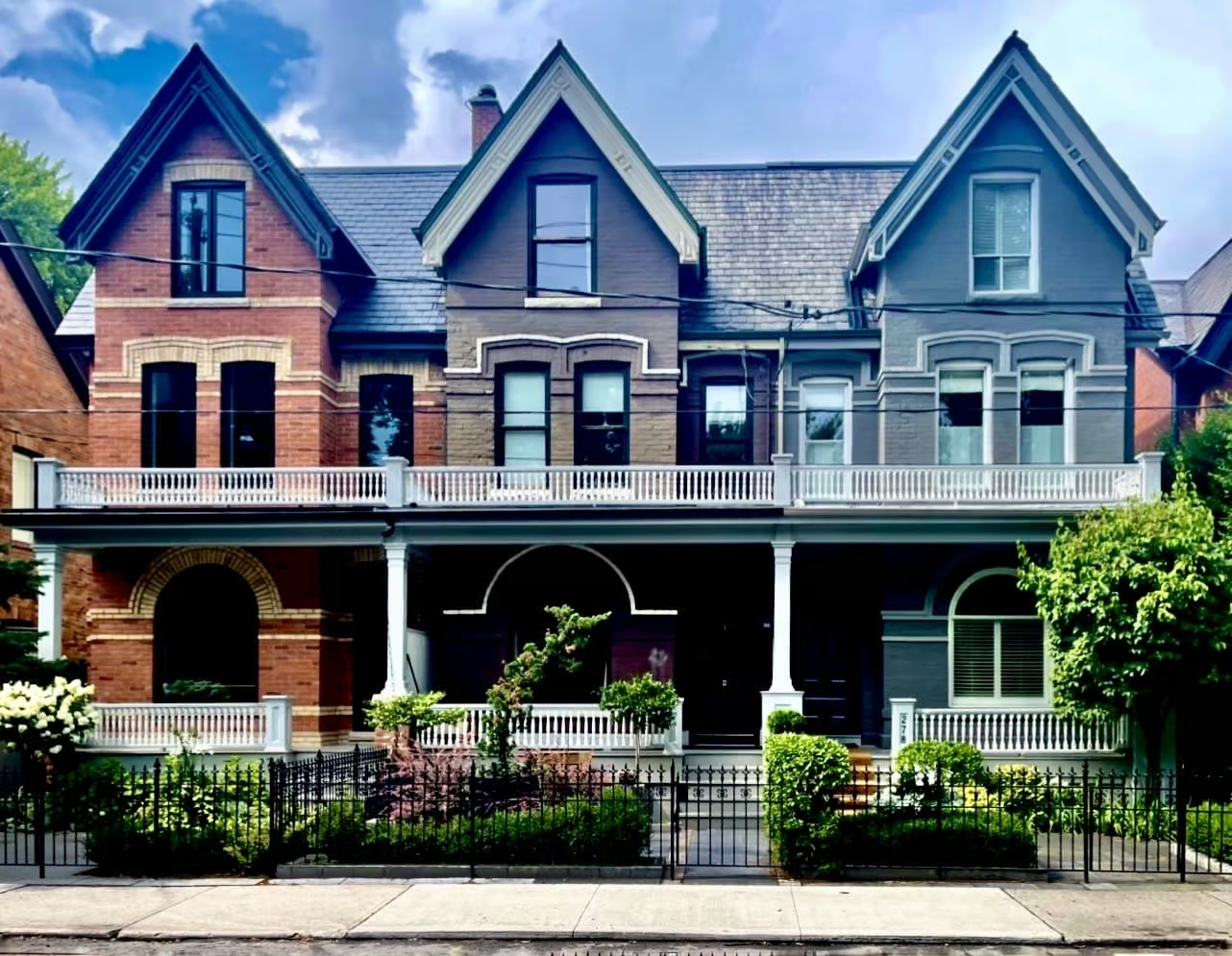
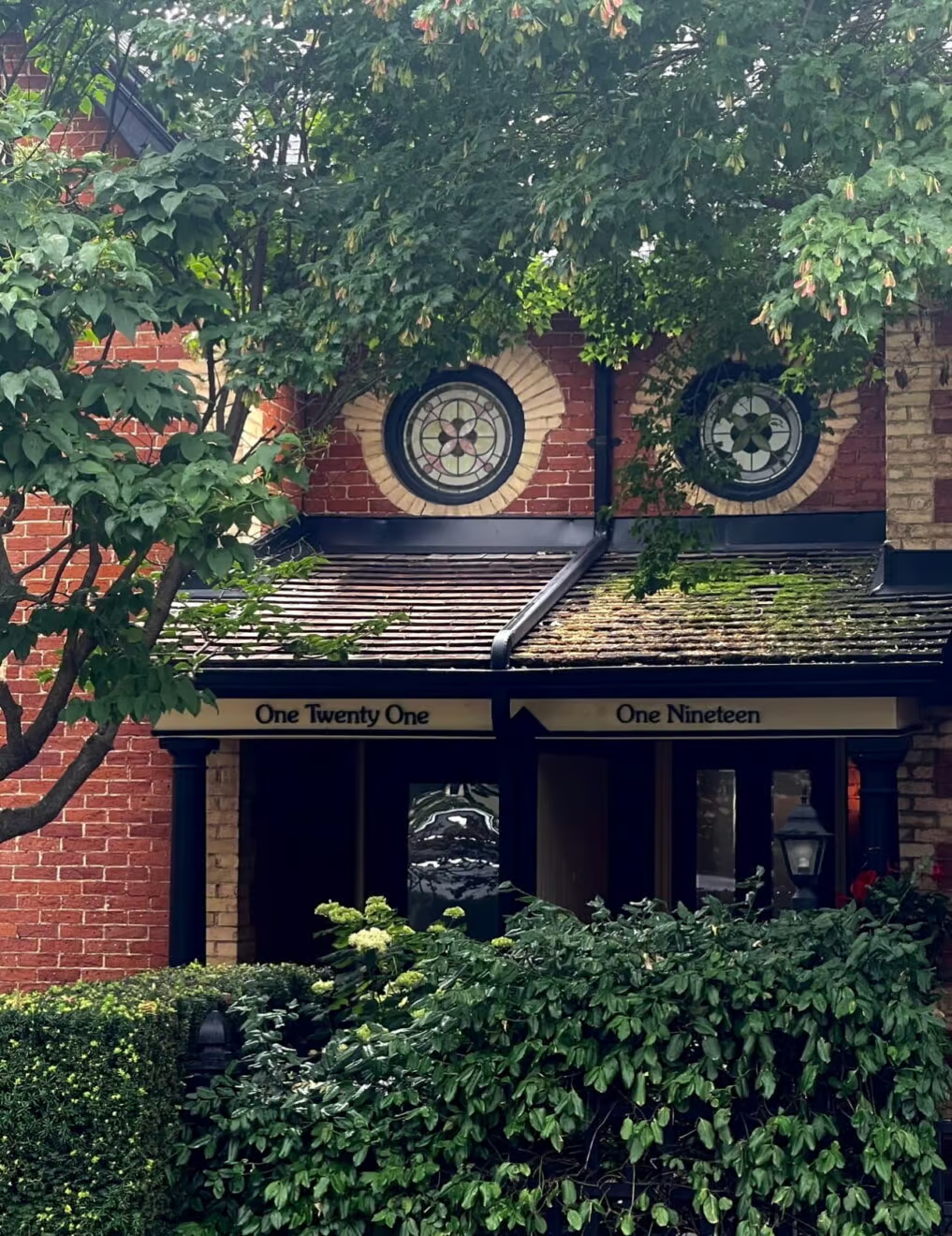
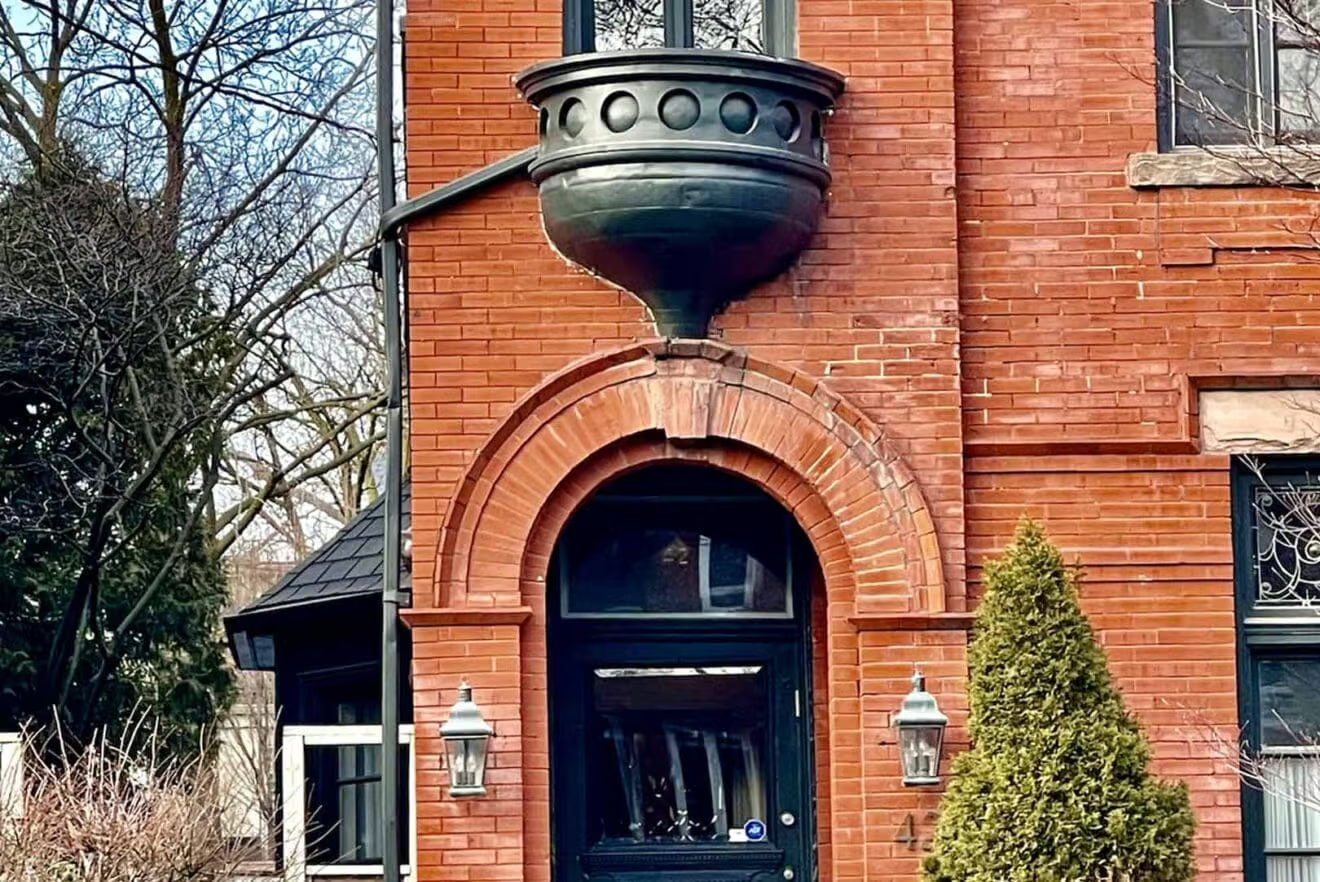
Style: Late Victorian / Edwardian row houses (with Italianate influence)
- Tall, narrow proportions
- Brick façades with decorative lintels
- Repeating rhythm, shared porch
- Slightly simplified detailing → leaning toward Edwardian transition
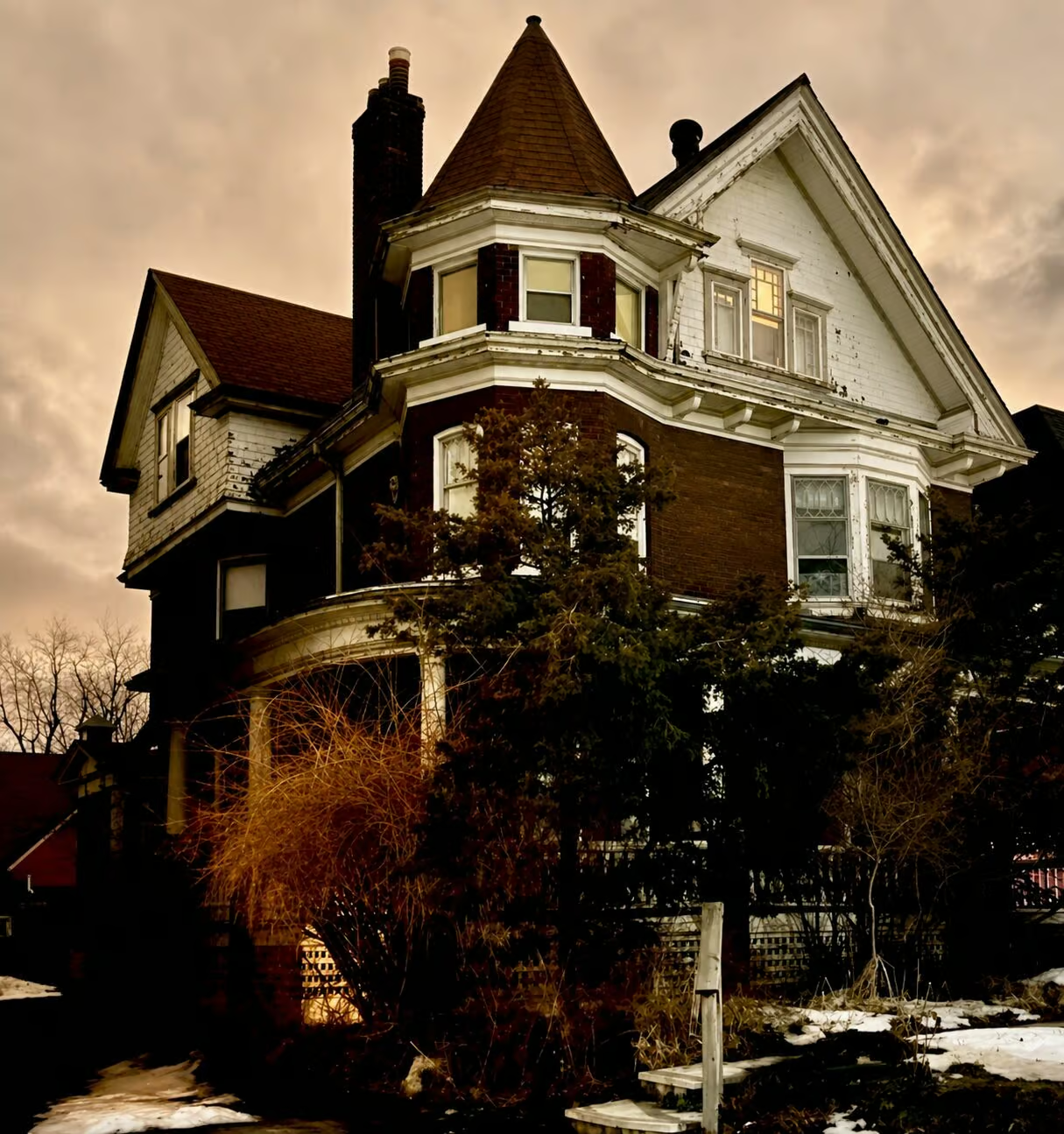
Style: Queen Anne Victorian
- Asymmetry
- Prominent turret
- Varied rooflines
- Decorative trim and masonry contrast
- This is textbook high Victorian exuberance.
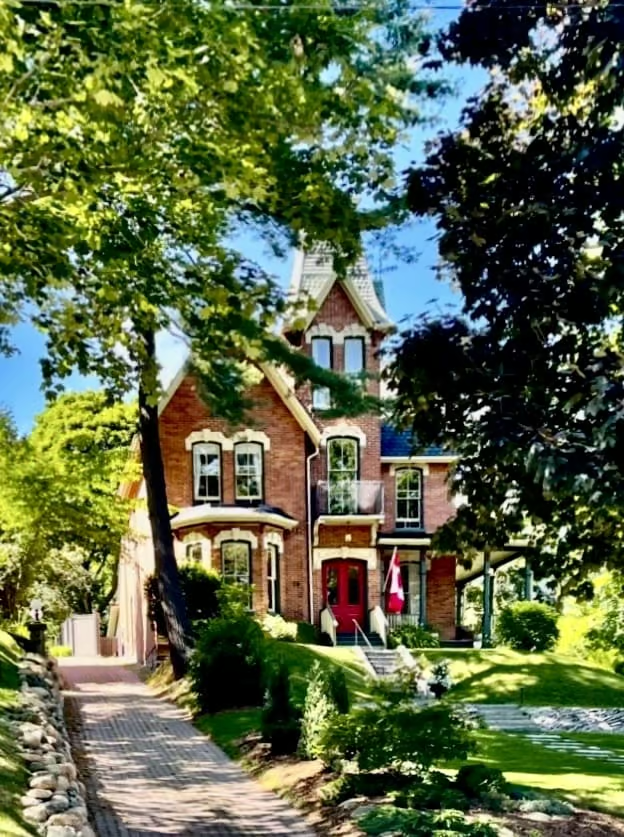
Style: Victorian (Italianate + Gothic Revival mix)
- Brick construction
- Tall narrow windows
- Steep gables
- Decorative trim
- Classic small-town Ontario Victorian fabric.
Edwardian / Arts and Crafts Architecture
Overview:
Emerging in the early 20th century, Edwardian architecture can be understood as a refinement of Victorian ideas. The scale and solidity remain, but the excess is pared back. Windows grow larger, interiors brighter, and layouts more open.
Running alongside this evolution is the influence of the Arts and Crafts movement, which introduced a reaction against both Victorian ornament and the growing impersonality of industrial construction. The emphasis shifted to craftsmanship, material honesty, and a closer relationship between the house and its setting.
In Toronto, this combination often results in homes that feel both substantial and grounded; solid brick forms softened by deep porches, generous roof overhangs, and carefully considered detailing. Handcrafted woodwork, leaded glass, and built-ins bring warmth and texture, with craftsmanship doing the work that decoration once did.
From this movement, related expressions such as Craftsman and English Cottage Revival emerge — one more structured and horizontal, the other more romantic and picturesque. In established neighbourhoods, these influences frequently overlap, often within the same streetscape.
Neighbourhoods such as Rosedale and High Park offer strong examples of this blend.
Read my neighbourhood guides to learn more about Toronto’s most distinguished communities.
Impact on the Housing Market:
Edwardian and Arts and Crafts homes tend to appeal to buyers looking for historical character without the constraints often associated with more ornate Victorian properties. They offer a balance of charm, craftsmanship, and practicality, with layouts that are inherently more adaptable to modern living.
Their warmth and human scale make them particularly livable, and well-preserved examples, especially those retaining original materials and detailing, can command strong interest.
As a result, these homes are frequently the foundation for some of Toronto’s most successful renovations. Their underlying proportions and material integrity allow for thoughtful updates without sacrificing architectural character; it’s something today’s buyers increasingly recognize and value.
Their balance of proportion, craftsmanship, and livability makes them consistently strong performers in the market.
Looking for more architectural inspiration from around the world? Read these posts next:
- Two Weeks, Three Cities and the Architecture of Feeling
- Exploring Magnificent 21st-Century Comfort in Edinburgh’s Historic New Town
- Brilliant Mid-Century Glass Architecture Meets Natural Splendour: The Roy O. Allen House
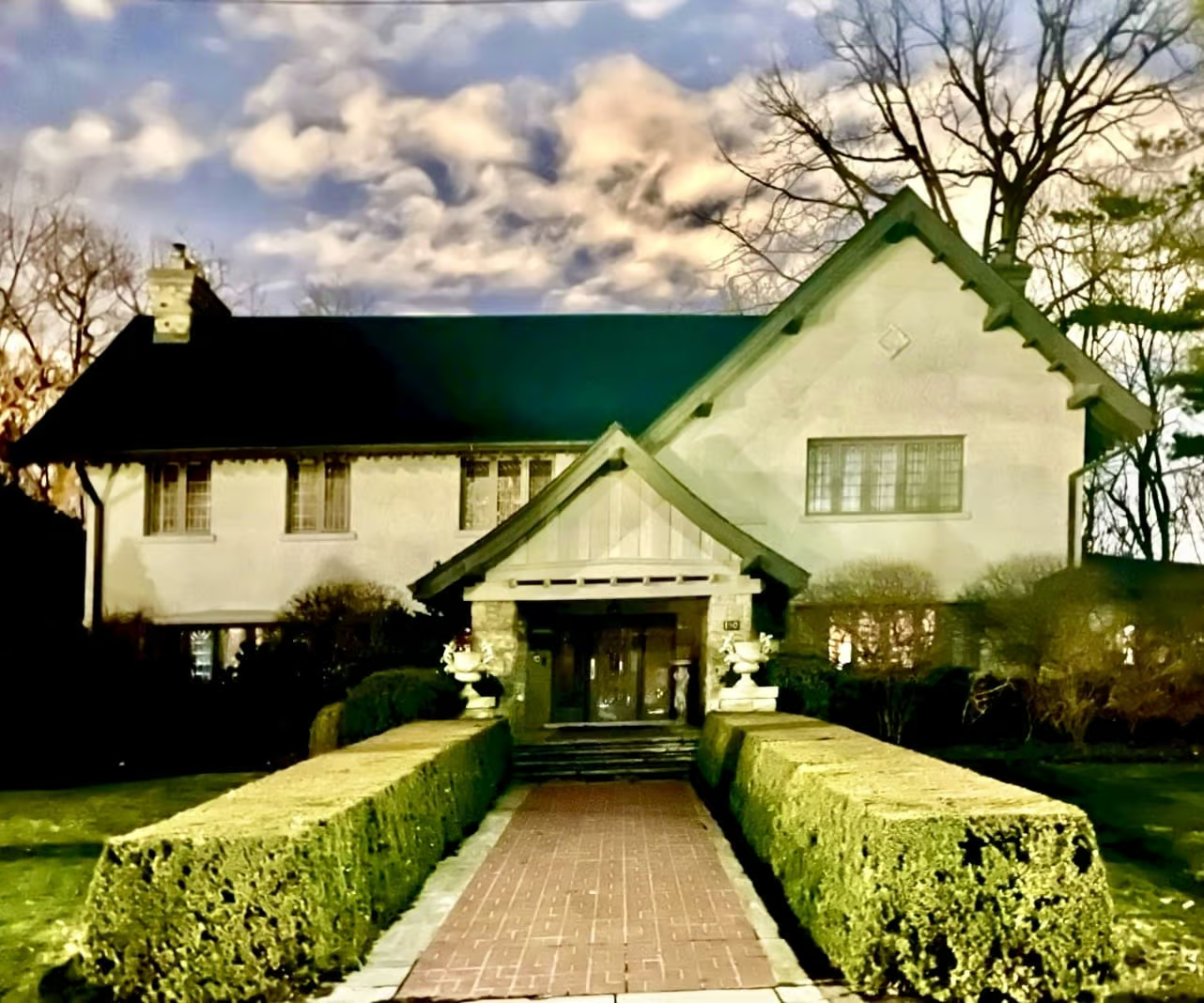
Style: Arts & Crafts / Tudor Revival hybrid
- Deep eaves
- Low-pitched roof
- Emphasis on craftsmanship
- Slight Tudor massing influence
- Toronto does this hybrid a lot in mature neighbourhoods.
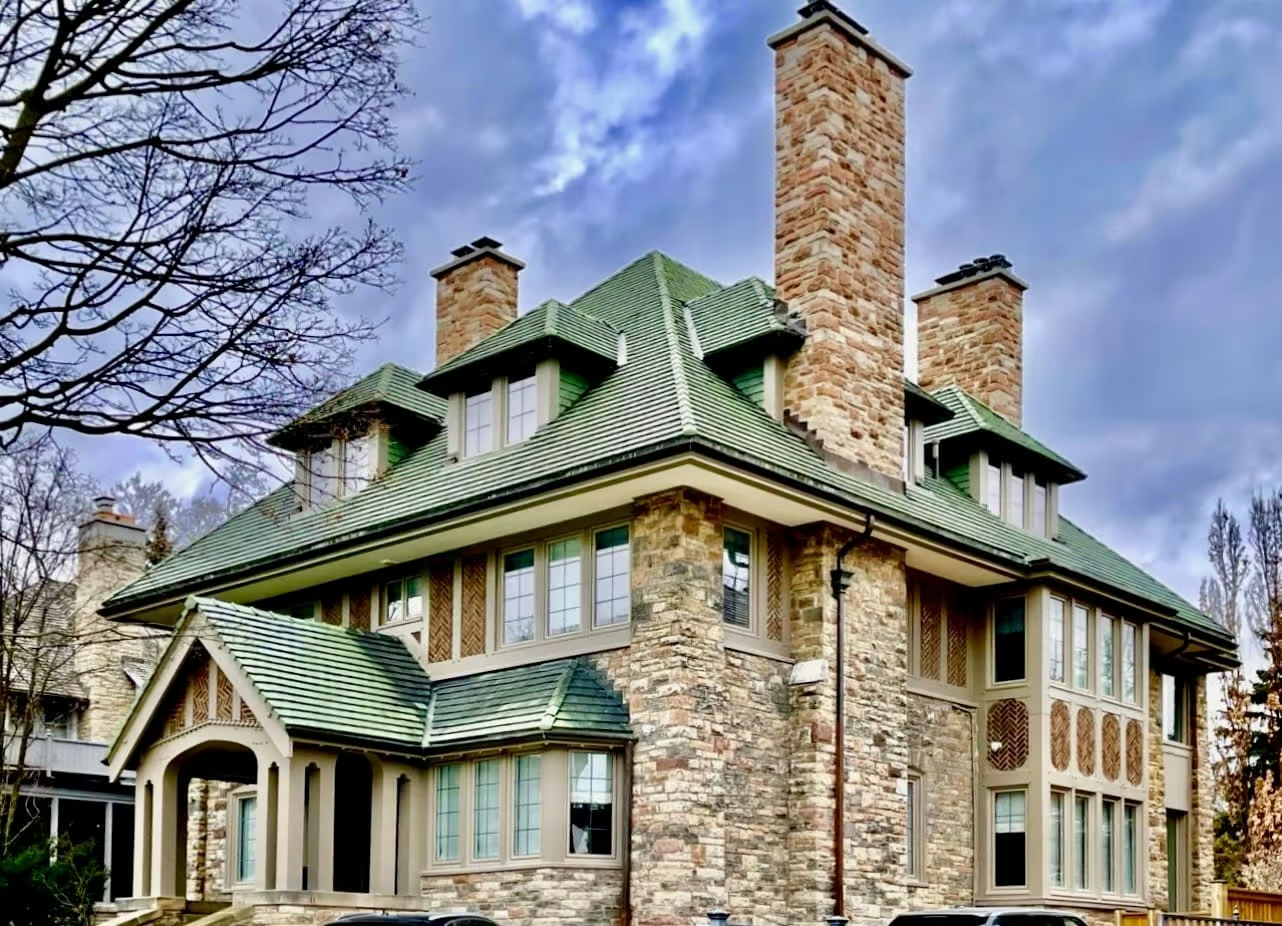
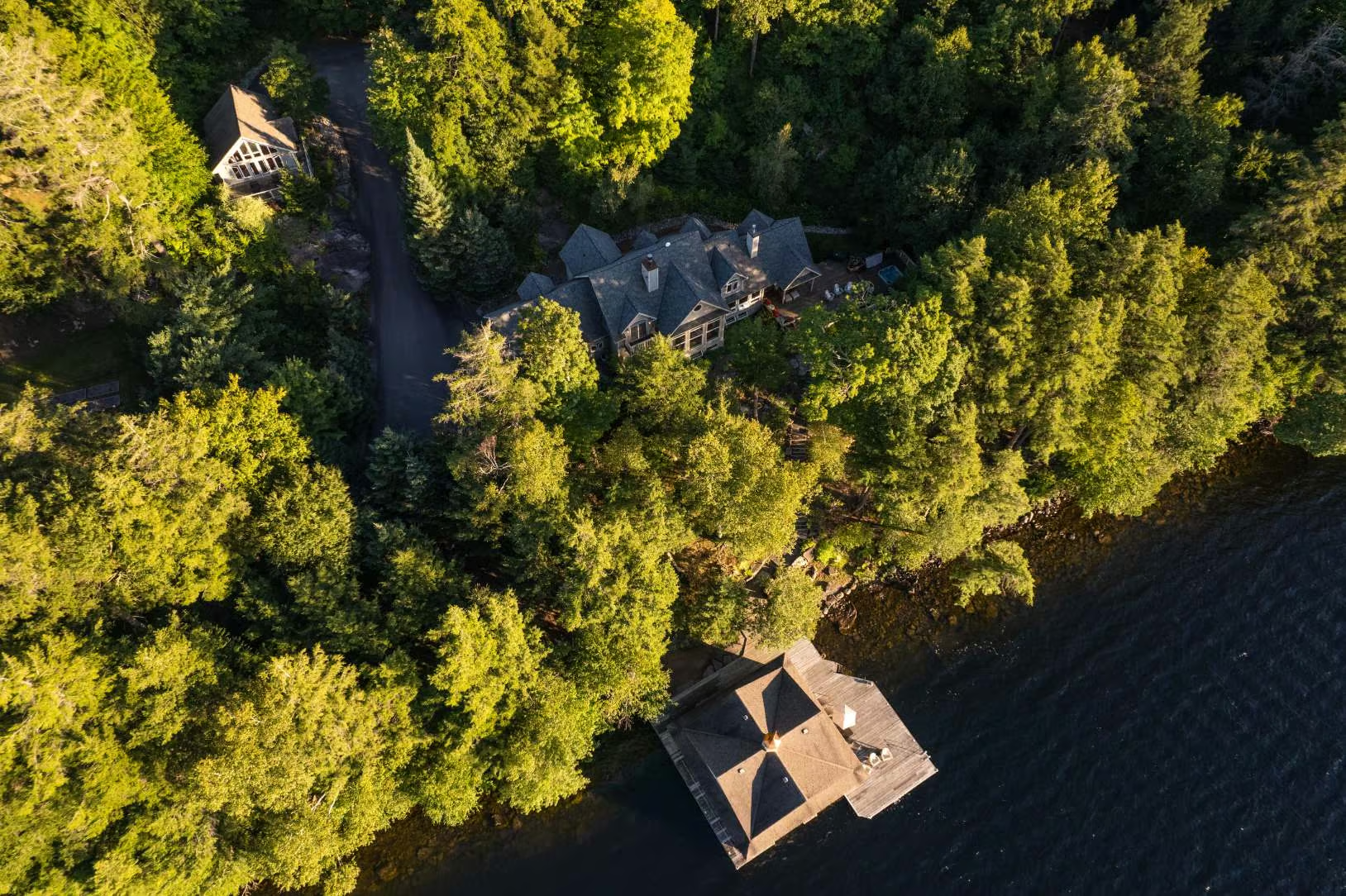
Style: Arts & Crafts / English Cottage Revival (high-end, almost Cotswold-inspired)
- Heavy stone masonry
- Prominent, oversized chimneys (almost romanticized)
- Deep eaves and layered rooflines
- Decorative leaded/glazed window panels
- This is not a pure historic original—it reads as a luxury revival interpretation, likely late 20th or early 21st century, borrowing heavily from English Arts & Crafts precedents.
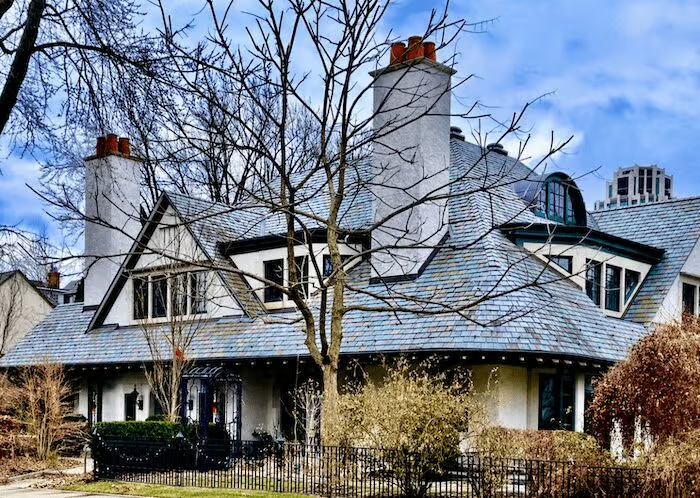
Style: Arts & Crafts / Craftsman (with some Storybook influence)
- Broad, sheltering roofline
- Deep overhangs
- Dormers tucked into the roof
- Informal, picturesque massing
- There’s a softness here—almost storybook romanticism, but grounded in Craftsman principles.
Beaux-Arts / Classical Revival Architecture
Overview:
Rooted in the traditions of European classicism and formalized through the École des Beaux-Arts, Beaux-Arts architecture represents architecture at its most composed and deliberate. Symmetry is paramount, proportions are carefully ordered, and every element, from columns and cornices to window placement, is part of a larger, balanced whole.
In Toronto, these homes often take the form of grand, white or light-stone residences with strong axial layouts, prominent entries, and a sense of quiet monumentality. Detailing draws from classical precedents — pilasters, balustrades, and decorative mouldings — but is applied with discipline rather than excess.
If Edwardian homes relaxed the rules, Beaux-Arts reasserted them, albeit with a level of refinement that feels intentional rather than rigid. These are houses designed not just to be lived in, but to present themselves with a certain confidence.
Neighbourhoods such as Rosedale and Forest Hill feature some of the city’s most notable examples, often set on generous lots that allow the architecture to fully express its symmetry and scale.
Impact on the Housing Market:
Beaux-Arts and Classical Revival homes occupy a distinct position in Toronto’s luxury market. Their formality and presence appeal to buyers drawn to structure, symmetry, and a more traditional expression of prestige.
While not as inherently flexible as Edwardian or Arts and Crafts homes, they offer something different: a sense of permanence and architectural clarity that is difficult to replicate today. When thoughtfully updated, these properties can achieve exceptional results, particularly when modern interventions respect the original composition rather than compete with it.
They tend to attract a more specific buyer, but for that audience, the appeal is enduring. In the right setting, and with the right stewardship, these homes remain some of the most compelling, and valuable, expressions of residential architecture in the city.
Are you in the market for a new home? Looking for a specific property that speaks to your personal design sensibility? Here are some of the benefits you can expect when working with a real estate agent with the right experience:
- Why Your Real Estate Agent Should Be a Homeowner
- What are the Benefits of Working with an Architect Real Estate Broker?
- Why Hire an Architect Real Estate Agent when Building a Home?
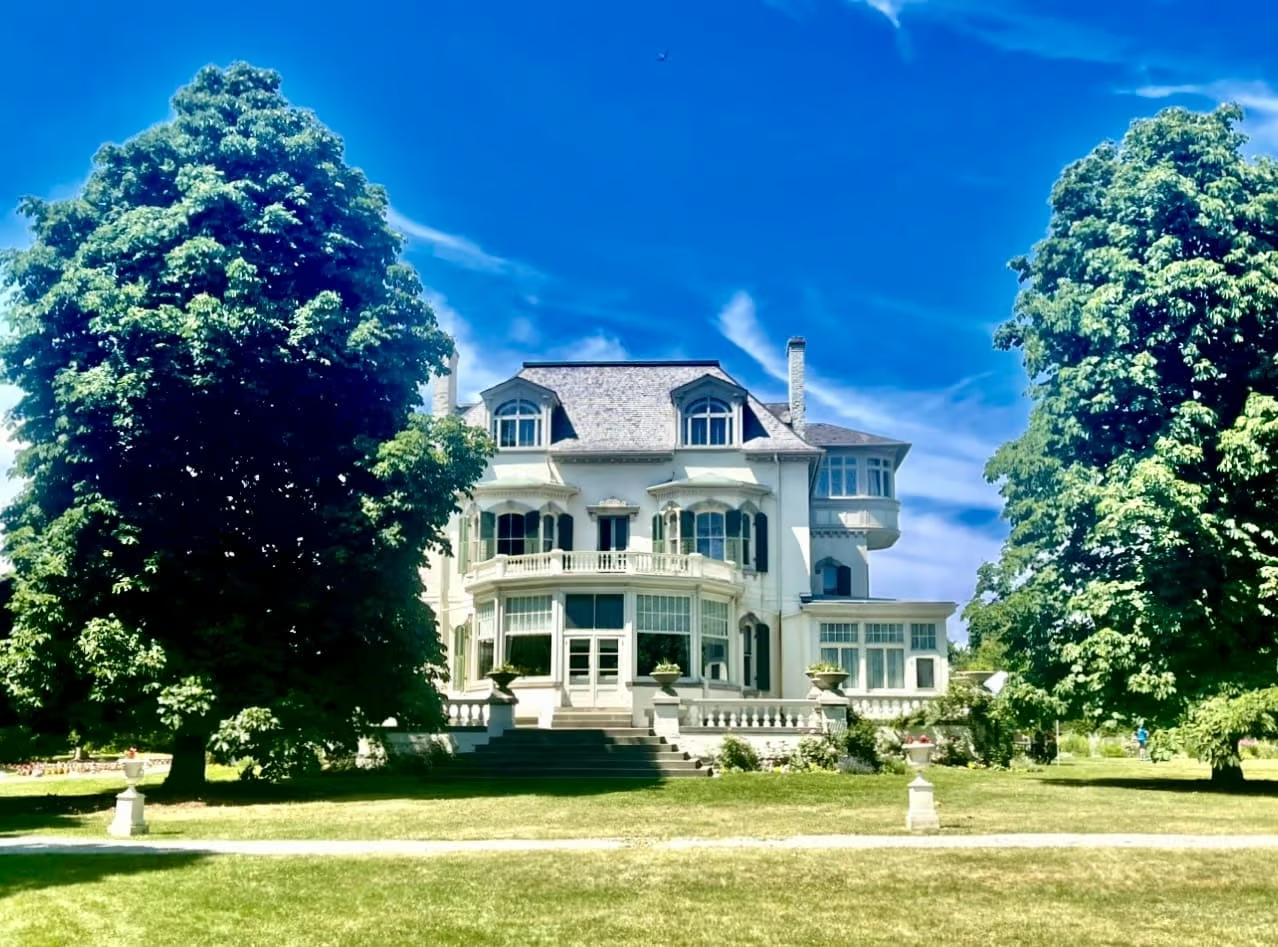
Style: Beaux-Arts / Classical Revival
- Strong symmetry
- Central emphasis with curved bay
- Formal landscaping axis
- Classical proportions and detailing
- Very estate-like—almost North American “country house classicism.”
Second Empire Architecture
Overview:
Second Empire homes are most easily identified by their mansard roofs — a defining feature that allows for a full additional storey within the roofline. Beneath that, Italianate detailing often appears in the form of tall windows, decorative brackets, and a measured sense of proportion.
While less common than other Victorian-era homes, they add a distinctive note to Toronto’s architectural landscape.
Impact on the Housing Market:
Their relative rarity and strong architectural identity can make them particularly appealing to buyers seeking something unique. When well maintained, they often stand out in listings… quietly distinctive rather than overtly showy.
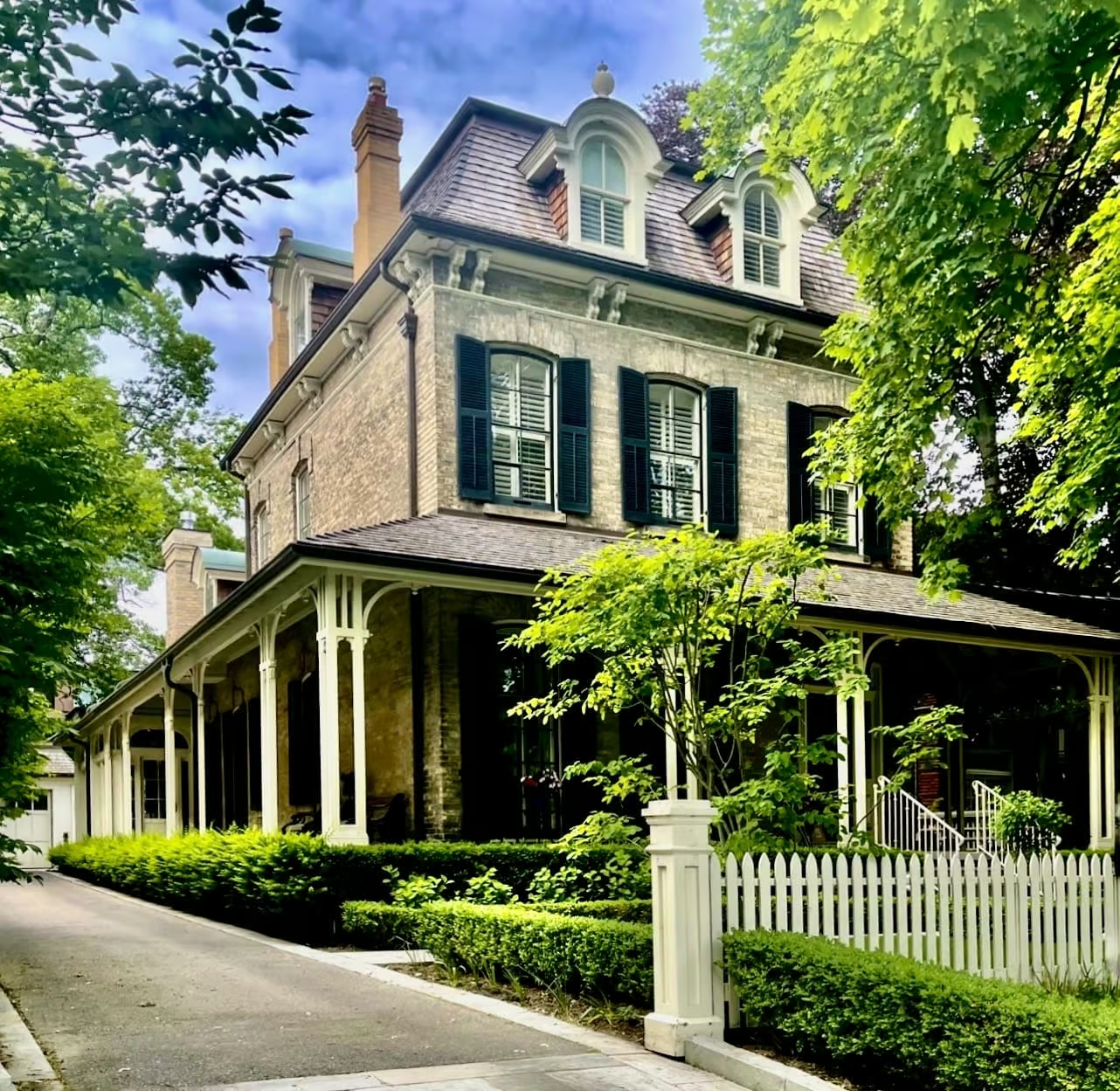
Style: Second Empire (with Italianate elements)
- Mansard roof
- Dormers with curved tops
- Tall windows with shutters
- Wraparound verandah
- This is one of the more historically pure pieces in this set of photos.
Georgian and Georgian Revival Architecture
Overview:
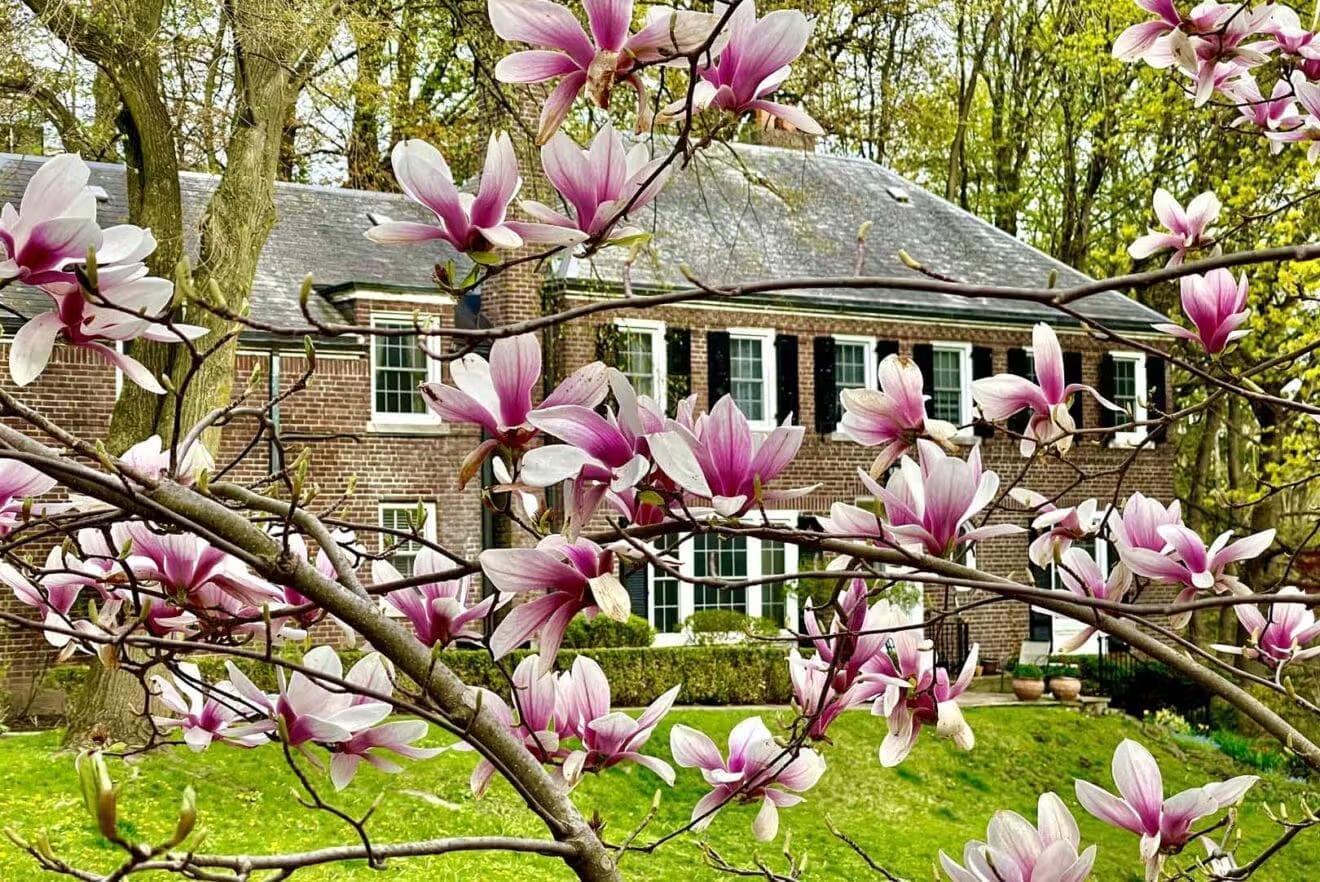
Georgian architecture is defined by symmetry, proportion, and restraint. These homes rely on balance rather than ornament — centred entrances, evenly spaced windows, and a calm, ordered composition.
The Georgian Revival carries these principles forward into later periods, often softening them slightly while maintaining that same disciplined structure. It has always been a favourite style for me, because I can tie the simplicity and clean detail with early modernism, of which I am a total disciple.
Impact on the Housing Market:
These homes appeal to buyers who appreciate clarity and proportion over embellishment. They tend to age well, both aesthetically and functionally, and often hold value through their timelessness rather than trend.
On the fence about buying a modern home vs. an older home in Toronto? Read my post, They Don’t Build Them Like They Used To: Pros and Cons of Modern Homes
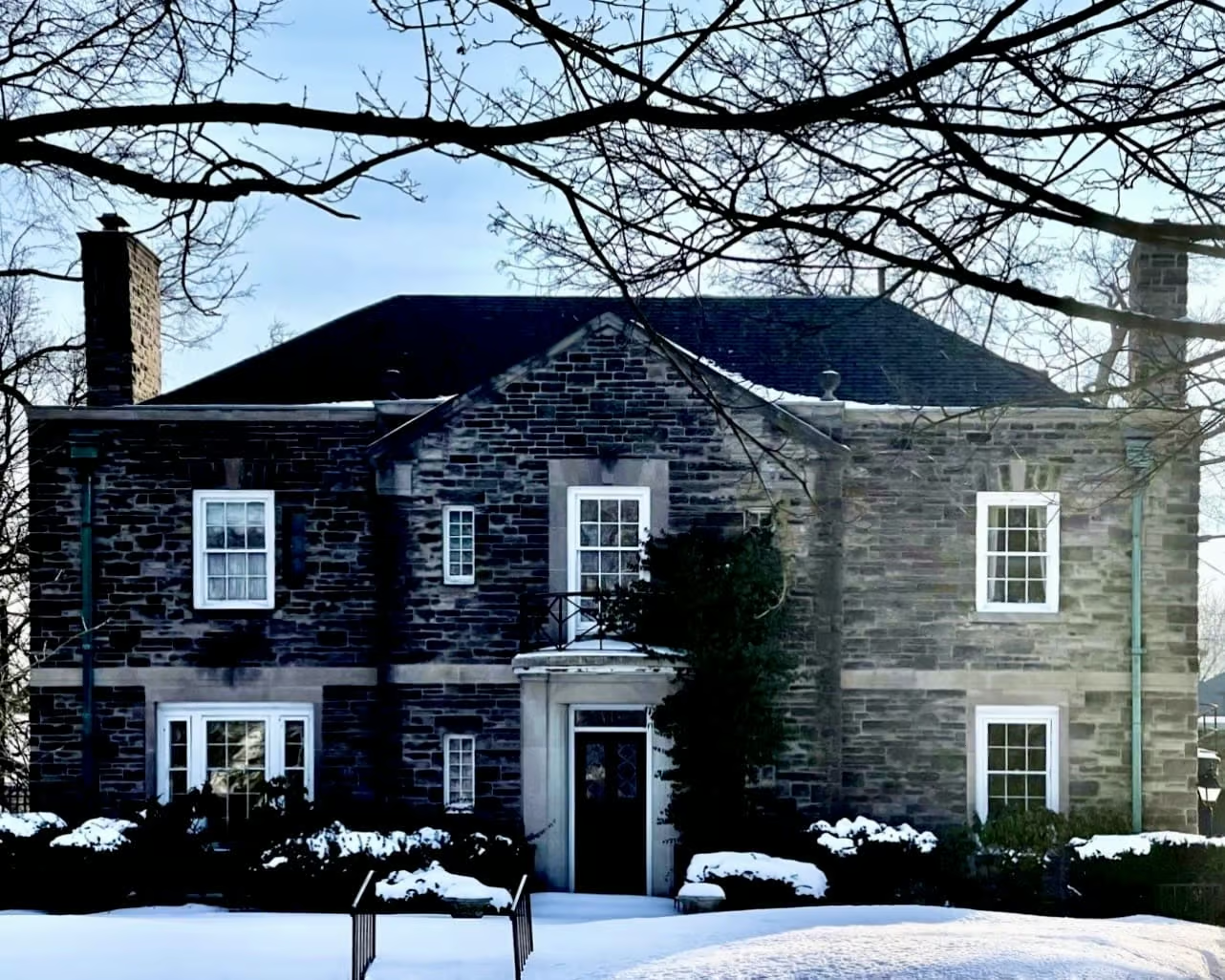
Style: Georgian Revival
- Strong symmetry
- Central doorway
- Evenly spaced windows
- Formal, restrained composition
- A classic revival of 18th-century Georgian order.
Mid-Century Modern Architecture
Overview:
In the post-war period, Mid-Century Modern architecture introduced a new way of living. Spaces opened up, lines extended horizontally, and the relationship between interior and exterior became more deliberate.
In Canada, there is also a noticeable West Coast influence, particularly from British Columbia, where architecture evolved in closer dialogue with landscape and climate. (Consider also the fantastic supply of this style in the Los Angeles region, where some of the best examples in the world flourish and are iconic of that city). This influence appears in Toronto through larger expanses of glass and a stronger connection to outdoor space.
Impact on the Housing Market:
Mid-century homes are highly sought after when their architectural integrity has been preserved. Buyers are often drawn to their clarity and connection to nature, though insensitive renovations can diminish their value significantly. I’ve sadly witnessed this tragic lack of appreciation and understanding applied to hundreds of spoiled masterpieces.
Discover even more architectural history and beauty with my tour of The Most Interesting Homes in Hoggs Hollow.
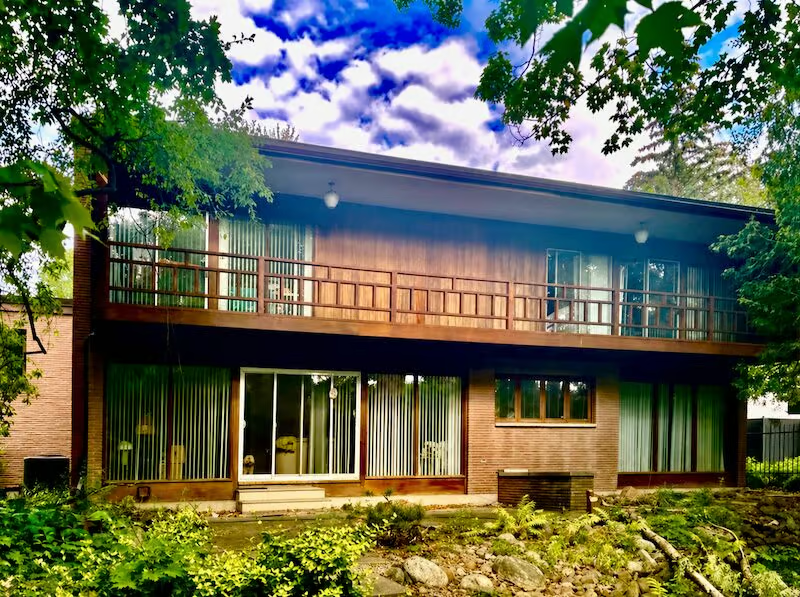
Style: West Coast Modern / Mid-Century Modern
- Post-and-beam feel
- Extensive glazing
- Integration with trees
- Horizontal deck line
- Very “BC modern” influence transplanted east.
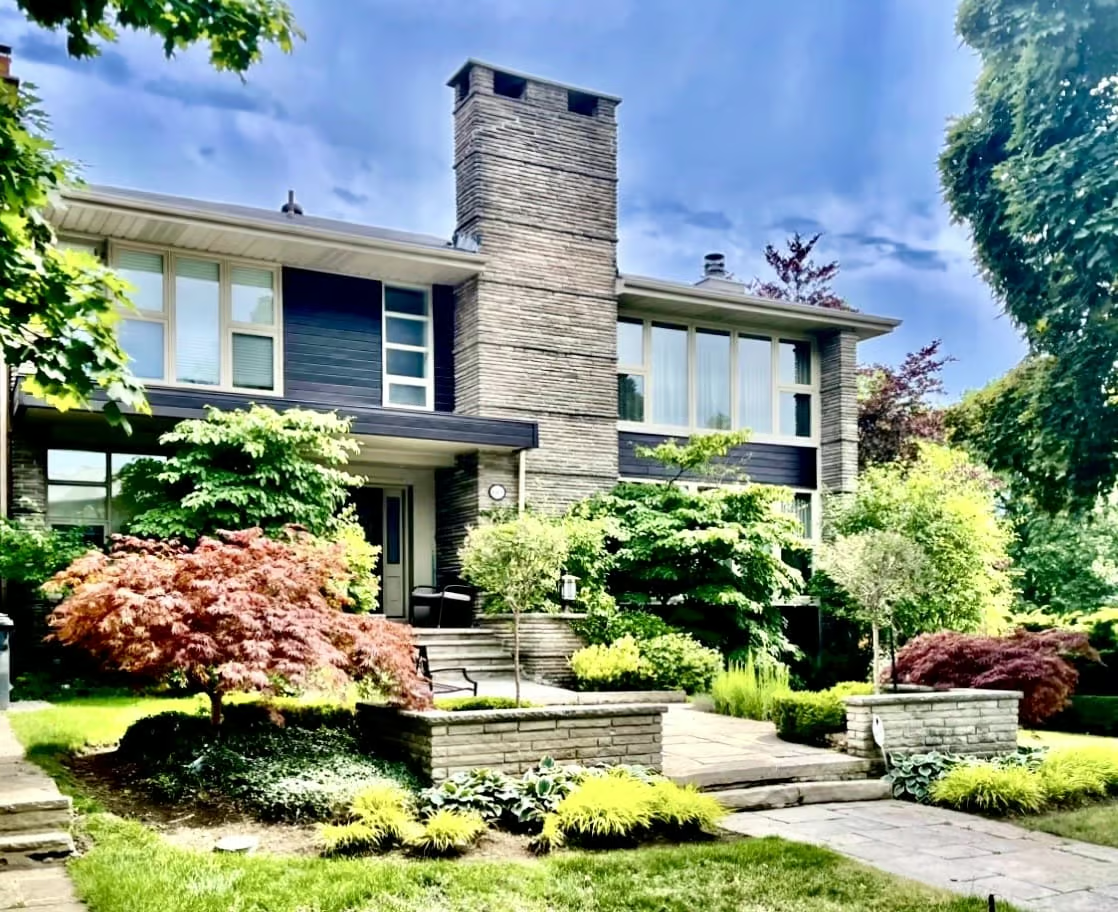
Style: Mid-Century Modern (with some Prairie influence)
- Strong horizontality
- Central chimney mass
- Integration with landscape
- Ribbon windows
- Very 1950s–60s suburban modern.
Contemporary and Condominium Living
Overview:
As Toronto’s skyline has evolved, contemporary architecture and condominium living have become increasingly prominent. Alongside the proliferation of high-rise development, a more refined strain of low-rise contemporary design has emerged — what might be described as neo-modernist.
These homes build on mid-century principles — clean lines, flat roofs, and expansive glazing — but temper that rigour with natural materials such as wood, stone, and carefully detailed metalwork. At their best, they bring a sense of calm and proportion to the street, often inserting themselves into established neighbourhoods with a quiet confidence that feels both current and considered.
At their worst, however, they fall into a now-familiar pattern. Over the past couple of decades, a wave of simplified, formulaic interpretations, often produced without a deep understanding of proportion, materiality, or context, has led to a kind of architectural shorthand. The result is a growing number of houses that gesture toward modernism, but miss the very qualities that made it compelling in the first place.
Impact on the Housing Market:
Demand for contemporary homes and condominiums remains strong, particularly among buyers seeking low-maintenance, urban living. For low-rise contemporary homes, success in the market often depends on execution—those that prioritize proportion, material quality, and restraint tend to perform well, while more superficial designs can struggle to justify their pricing.
I’ve written extensively about condos on this blog. Check out these posts next for more condo content:
- Don’t Be Unduly Swayed By Glitzy Condorama
- The Condo Reckoning: Garbage, Gold, and the Illusion of Easy Money
- Is it Wrong to Like Older Condo Buildings? Or Are They Actually Better?
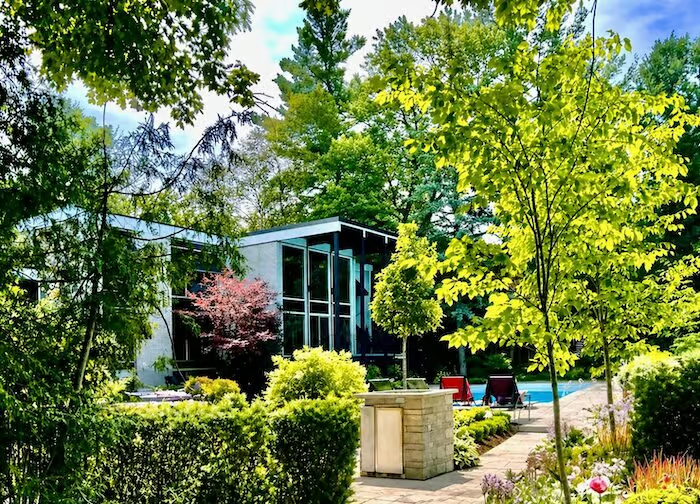
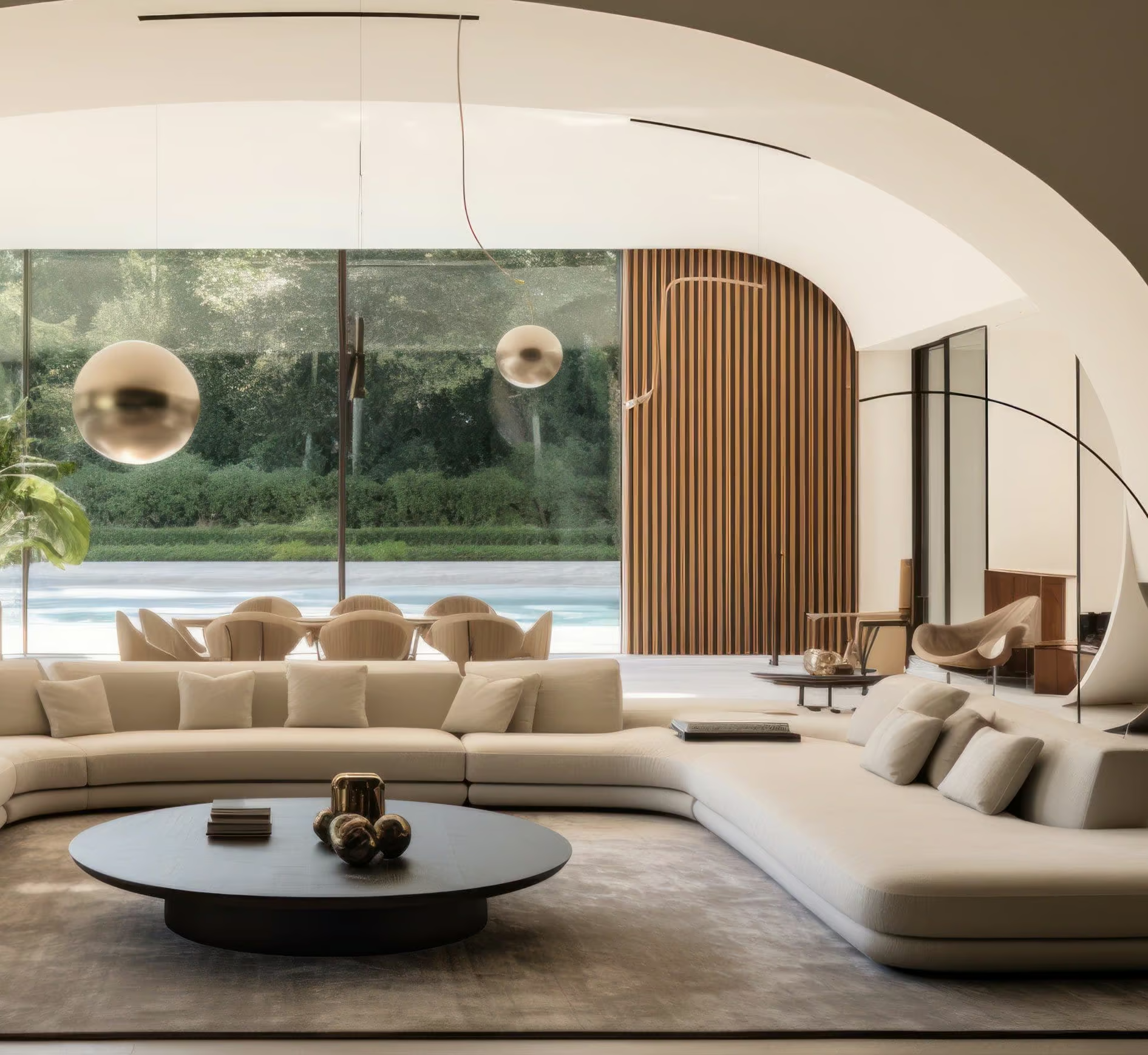
Style: Contemporary Modern / Minimalist Pavilion
- Flat roof
- Strong rectilinear geometry
- Floor-to-ceiling glazing
- Indoor–outdoor continuity
- This is very much about space, light, and landscape, not façade composition.
What Buyers Need to Know
- Maintenance Challenges: Older homes may require more maintenance, and buyers should be prepared for potential restoration costs associated with preserving historical features.
- Heritage Designation: Some properties may have heritage designation, restricting modifications. Buyers should be aware of any limitations on renovations.
- Aesthetics vs. Functionality: Balancing the charm of historical architecture with modern living needs is crucial. Renovations should enhance functionality without compromising the property’s character.
In conclusion, Toronto’s architectural history adds a rich and often underappreciated layer to its real estate landscape. Buyers would do well to look beyond surface aesthetics and consider how different styles reflect not only a home’s character, but also its livability, maintenance requirements, and long-term value.
Each architectural period has contributed to the city’s evolving fabric, shaping neighbourhoods in distinct ways depending on when and how they were developed. Understanding these differences isn’t just academic… it can be a meaningful advantage when navigating Toronto’s diverse housing market.
Toronto’s architectural history isn’t a neat sequence so much as a layering; styles overlapping, influencing one another, and occasionally colliding. The most compelling streets are the ones where that conversation is visible: where a Victorian sits comfortably beside a modern intervention, and both feel exactly as they should.
Do you have questions about buying a home in Toronto? Feel free to reach out directly by calling 416-824-1242 or emailing robert@lifeofluxury.ca today.

Find Your Life of Luxury
Whether buying or selling a home, I can help you find your life of luxury. Get started today.