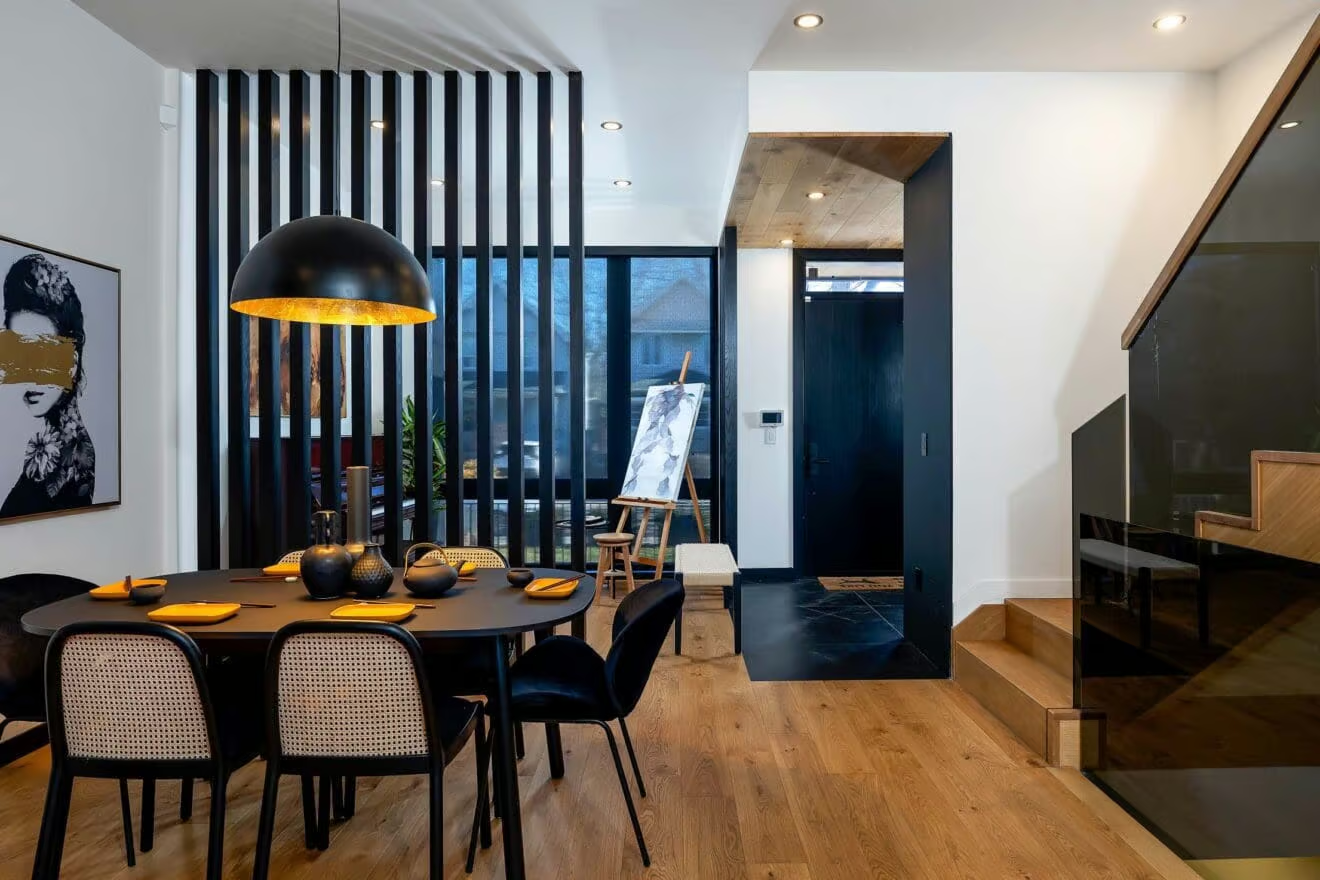




People sometimes imagine that selling a house begins when the photographer arrives, the sign goes up, and the listing appears on MLS. In reality, that is often the point at which a substantial amount of work has already happened. There may have been painters, electricians, handymen, cleaners, movers, stagers, landscapers, floor plans, photographers, brochures, repairs, legal questions and a seller trying to continue living a normal life while half the house is being rearranged around them. Somewhere in the middle of all that, someone has to keep the whole thing moving in the right direction.
That is where project management becomes part of real estate. And it is not simply about making lists, booking trades and remembering who is supposed to arrive on Tuesday. The more important part is judgement: deciding what needs to be done, what does not need to be done, how much should be spent, in what order things should happen, and when the property should actually be brought to market.
I spent years designing, building and renovating houses before real estate became another part of my working life, and the similarities are obvious. In construction, sequence matters. You do not send in the painter before the electrician has finished cutting holes in the walls. You do not install finished flooring and then invite three trades to drag their equipment across it. And you certainly do not book the photographer because everyone likes Thursday if the house will not actually be ready until Friday.
Real estate preparation has exactly the same problems, usually compressed into a much shorter period of time.
Sometimes the best project is the one you don’t do
One of the easiest ways to waste money before selling a house is to improve the wrong thing.
Sellers naturally look around their homes and notice everything they have been meaning to deal with for years. Suddenly the bathroom needs redoing. The kitchen backsplash looks tired. The dining room requires a dramatic new light fixture. Someone has discovered a wallpaper they absolutely adore. After living with something for fifteen years, there can be a strange urge to renovate it just in time for somebody else.
Sometimes that makes sense. Often it does not.
I have talked people out of renovations that would have cost them money without adding meaningful value, and in some cases might actually have made the property harder to sell. The problem is not necessarily that the seller’s taste is bad. Let us call it eclectic. The problem is that what one owner considers fabulous may not be universally embraced by the next one.
Preparing a property for sale is not an interior-design competition, and the goal is not for the agent to impose his or her personal taste on the homeowner. The real objective is to reduce the number of things a buyer has to mentally undo.
A buyer should ideally be able to walk through a house and think, This is good enough as it is, or, I can easily see how I would make this mine. What you do not want is for the buyer to be mentally adding up the cost of removing expensive new work that was installed six weeks before the listing.
That is a particularly painful way to spend money.
Here are a few more posts with insights into home upgrades:
- Smart Home Investments for a Refined Lifestyle
- How to Renovate a Character Home without Destroying its Character
- The Flavour of Luxury in Today’s Homes
Over-improvement can be just as dangerous as neglect
There is a condominium in Yorkville that I have watched appear and disappear from the market for approximately thirteen years.
Yes. Thirteen.
Over that time, it has been volleyed back and forth among a remarkable collection of agents, disappearing, returning, changing representation and reappearing again. Its asking price once hovered around $16 million and has steadily worked its way down.
The problem is not that money was not spent on it.
Quite the opposite.
It has been so heavily improved and so intensely personalized that the underlying apartment has almost disappeared beneath the decoration. There is a level of gilded grandeur to it that leaves remarkably little room for anyone else’s imagination. A prospective buyer is no longer simply considering whether they like the space. They are considering the considerable cost and inconvenience of undoing someone else’s vision before they can begin their own.
I have often thought that the apartment would be easier to sell if someone simply stripped much of it back and let the space speak for itself.
Unfortunately, the best time to give that advice would have been before the money was spent.
Project management in real estate therefore involves restraint as much as action. Sometimes the correct instruction is not add this. It is stop. Sometimes it is paint that. Sometimes it is take half of this away. And occasionally it is please do absolutely nothing until we have talked about it.
I regularly give my honest opinion on popular Toronto condo floor plans with my Condo Chronicles blog series.
Diplomacy may be the most underrated skill
This is where things become delicate.
People are understandably attached to their homes. They chose the furniture, bought the paintings, selected the light fixtures and perhaps designed the renovations themselves. Telling someone that the room they adore would photograph better without half of what is in it requires a certain amount of diplomacy.
The same applies to staging. Good staging should not announce itself as staging. It should make the proportions of a room understandable, help the eye move naturally through the space and give buyers just enough information to imagine themselves living there.
Sometimes that means removing things. Sometimes it means borrowing or bringing in a few others. Sometimes furniture already in the house simply needs to move from one room to another.
The difficult part is suggesting that without appearing to say, “My things are better than yours.”
They may be.
But that is probably not the sentence to use.
The value is in the decisions, not the appointments
I recently spoke with someone I have known for many years who is himself an experienced project manager. He was selling an expensive house and could not reconcile himself to traditional real estate fees. He quite cheerfully described himself as a cheap Scottish bugger and concluded that he could arrange his own preparation, hire a stager if necessary and handle much of the process himself.
And, to be fair, some sellers can.
The point is not that every homeowner is incapable of booking a photographer or arranging a painter. Those are relatively straightforward tasks. The harder part is knowing whether the room should be painted in the first place, whether the bathroom actually needs work, whether the furniture needs replacing or simply editing, whether the photographer is showing the property properly, and whether a particular issue is likely to matter to a buyer or merely distract the seller.
Project management is not simply getting things done.
It is deciding which things are worth doing at all.
As an architect who has built and renovated numerous homes over the years, I have extensive experience with this type of decision-making. Check out my three-part renovation blog series to see what I mean:
- Part 1: The House that Changed Everything
- Part 2: The House that Changed Everything
- Part 3: The House That Changed Everything
Timing is part of the project too
There is a tendency in real estate to talk about the “spring market” or “fall market” as though someone rings a bell and buyers all emerge simultaneously.
There are certainly seasonal patterns, but timing an individual property is more nuanced than selecting the supposedly best month on the calendar.
What else is for sale at that moment? What has been sitting around for weeks? What competing property is about to come out? Have buyers already seen everything in a particular price range? Is your house going to arrive with six similar listings, or will it be the only genuinely fresh property they have seen in two weeks?
Sometimes the conventional wisdom is exactly wrong.
I have had very good results bringing properties to market between Christmas and New Year’s and selling them in early January, precisely when many people assume nothing happens. There may be fewer buyers looking, but there may also be almost nothing new for them to look at.
Sometimes being the only new thing in the room is considerably more useful than joining the crowd during the supposedly perfect week.
So the job is not simply to say, “Spring is good.”
It is to read the market that actually exists.
And then something inevitably goes wrong
Every property seems to develop its own little crisis.
A trade is late. A light stops working. A room looks completely different after the furniture is removed. An inspection uncovers something unexpected. A seller changes their mind. The photographer cannot make the original date. Someone discovers a loose receptacle or a leaking tap the night before the listing goes live.
The value of experience is not that nothing ever goes wrong.
Things always go wrong.
The value is knowing which problem actually matters.
Some things need immediate attention because a buyer will notice them or because they create a genuine issue in a transaction. Others are minor distractions that do not justify holding up the entire process.
Knowing the difference can save considerable time, money and anxiety.
There is also an art to keeping everyone moving without allowing the project to become chaotic. A seller may be speaking with the painter. The stager is speaking with the mover. The photographer is waiting for the stager. The lawyer has raised a question. The cleaner has been booked for the wrong afternoon.
When everyone is responsible for one piece, someone still has to be responsible for the whole thing.
It’s also a reason why it’s valuable to work with a real estate agent who is also a homeowner.
The project does not end when the listing goes live
Once the property hits the market, the nature of the project simply changes.
Now there are showings to coordinate, feedback to interpret, marketing to adjust and competing properties to watch. Eventually there may be an offer, followed by deadlines, conditions, inspections, financing, lawyers, deficiencies and negotiations over things no one had contemplated two weeks earlier.
This is where knowing the property well becomes particularly useful.
If you have been involved in preparing it, spoken with the trades, understood the work that has been done and identified its strengths and weaknesses, you are in a much better position to deal intelligently with questions when they arise.
And they will arise.
The more expensive or unusual the property, the more important this becomes. A standard house in a subdivision with several nearly identical recent sales is one thing. An older architectural house, a complicated renovation, a large condominium, a rural property or a one-of-a-kind residence may require considerably more interpretation.
The job is no longer simply to market the house.
It is to manage the sale.
The best project management is almost invisible
When everything is working properly, none of this looks particularly dramatic.
The painters leave before the cleaners arrive. The photographs happen when the house is actually ready. The furniture is in the right place. The garden looks cared for. The seller knows what is happening. The listing launches at the right moment. Buyers walk through a property that feels calm, coherent and considered.
They do not see the decisions, phone calls, corrections and occasional small disasters that occurred beforehand.
Nor should they.
Good project management often disappears into the finished result.
The house simply feels ready.
And that is really the point.
A successful sale is rarely about doing everything possible to a property. It is about doing the right things, in the right order, at the right time — and occasionally having the good sense to do nothing at all.
Thinking about a home sale? Get in touch with me today by calling / emailing, or by filling out the form on this page.


Find Your Life of Luxury
Whether buying or selling a home, I can help you find your life of luxury. Get started today.